
Introduction
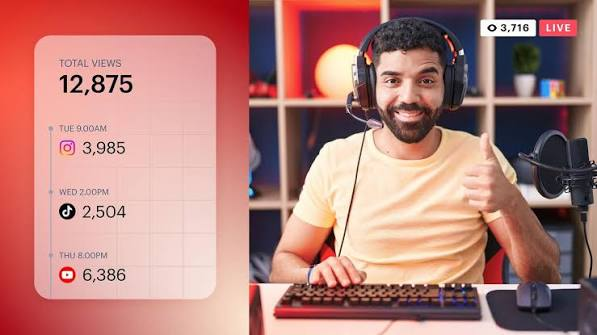
Online streaming has transformed the gaming industry into a global entertainment phenomenon. In the past, video games were primarily enjoyed by individuals or small groups of friends. Today, millions of casino hot wallets people watch their favorite gamers play live, share gaming experiences, discuss new releases, and participate in online communities. Platforms such as Twitch, YouTube, and Facebook Gaming have created opportunities for gamers to connect with audiences worldwide. Online streamers have become influential figures who help shape gaming trends, introduce new titles, build communities, and influence how people perceive video games.
The role of streamers extends far beyond entertaining viewers. They contribute to gaming culture by encouraging creativity, supporting esports, influencing purchasing decisions, and creating spaces where people with similar interests can interact. As streaming continues to evolve, its impact on gaming communities and the wider entertainment industry becomes increasingly significant.
1. Introducing New Games to Global Audiences
One of the most important ways online streamers shape gaming culture is by introducing new games to their audiences. When a popular streamer plays an unfamiliar title, thousands of viewers may become interested in trying it themselves. This exposure can help independent developers reach players who might never have discovered their games through traditional advertising.
Streamers often demonstrate gameplay, explain important features, and share their first impressions. Their live reactions provide potential players with a practical understanding of a game’s entertainment value. Viewers can also ask questions through live chat, making the discovery process more interactive.
Independent games can particularly benefit from this attention. A small development studio may have a limited marketing budget, but an engaging streaming session can introduce its creation to a large audience. Consequently, streamers help influence which games receive attention and become popular within the gaming community.
2. Creating Gaming Trends and Challenges
Online streamers frequently influence gaming trends by developing recognizable playing styles, challenges, and entertainment formats. A creative strategy or unusual gameplay challenge can quickly spread across social media platforms and inspire thousands of players to participate.
For example, a streamer might attempt to complete a game using unconventional equipment, explore hidden areas, or establish a challenging set of personal rules. Viewers may recreate the challenge, develop their own variations, and share their results online.
These activities encourage participation and make gaming culture more dynamic. Instead of simply following the original game developers’ intended experiences, players experiment with new approaches and create additional entertainment around existing titles.
Streamers also contribute to gaming language through memorable phrases, jokes, and reactions. When audiences adopt these expressions, they become part of the shared vocabulary used in gaming communities.
3. Building Strong Online Communities
Gaming has become an important social activity, and streamers play a major role in connecting people with common interests. Live streaming allows viewers to communicate with one another while watching gameplay, discussing strategies, and responding to events as they happen.
Many streaming communities develop their own traditions, inside jokes, discussion topics, and community rules. These shared experiences help viewers feel involved in something larger than an individual broadcast.
For people who have difficulty finding others with similar interests in their immediate surroundings, online gaming communities can provide opportunities to make friends and develop social connections. International audiences can also interact despite differences in language, nationality, and cultural background.
However, healthy communities require responsible moderation. Streamers and moderators can establish clear expectations that discourage harassment, discrimination, and bullying. By promoting respectful communication, they can help create welcoming environments for viewers from different backgrounds.
4. Influencing Gaming Purchases and Industry Decisions
Online streamers have become important voices in the gaming marketplace. Their opinions can influence whether audiences become interested in a new game, purchase additional content, or continue playing a particular title.
When a streamer provides an honest review or demonstrates a game’s strengths and weaknesses, viewers gain information that may help them make purchasing decisions. This is particularly useful for players who want to understand a game’s mechanics before spending money.
Developers and publishers also monitor streaming activity to understand audience reactions. Popular gameplay moments, recurring complaints, and viewer discussions can reveal which features attract attention and which aspects may need improvement.
Nevertheless, streamer opinions should not be treated as universally reliable recommendations. Personal preferences differ, and sponsored promotions can affect how products are presented. Viewers benefit from comparing several reviews, checking independent feedback, and considering their own interests before making purchases.
5. Supporting Esports and Competitive Gaming
Competitive gaming has grown substantially through online streaming. Professional tournaments that once attracted mainly dedicated gaming audiences can now reach viewers across the world through live broadcasts.
Streamers help make competitive gaming more accessible by explaining game mechanics, discussing professional strategies, and highlighting impressive performances. Their commentary can help beginners understand complex competitions and appreciate the skills required to compete at a high level.
Some streamers are professional esports players who share training sessions, practice routines, and tournament experiences. Others focus on entertainment while introducing viewers to competitive gaming.
Streaming also helps emerging players gain recognition. Talented gamers can showcase their abilities, build an audience, and potentially attract opportunities with esports organizations or sponsors.
As a result, streaming contributes to the development of competitive gaming by connecting professional players, aspiring competitors, organizers, and fans.
6. Encouraging Creativity and Skill Development
Online streamers demonstrate that gaming can involve creativity, communication, problem-solving, and continuous learning. Many broadcasts feature more than straightforward gameplay, including storytelling, game modifications, creative building projects, and collaborative experiments.
Viewers may learn new strategies by observing experienced players explain their decisions. They can discover alternative approaches to difficult challenges, improve their understanding of game mechanics, and develop better teamwork.
Streaming can also inspire audiences to create their own content. Some viewers begin recording gameplay, editing highlight videos, designing thumbnails, or producing gaming commentary. These activities introduce practical skills related to digital media, communication, and content production.
Although watching experienced gamers can provide useful ideas, developing personal skills still requires practice and independent decision-making. Streamers are most valuable as sources of inspiration rather than replacements for individual effort.
7. Promoting Cultural Exchange Through Gaming
Online gaming communities bring together people from different countries, languages, and cultural backgrounds. Streamers contribute to this international exchange by reaching audiences beyond their local communities.
A streamer might introduce viewers to games developed in another country, discuss regional gaming traditions, or collaborate with creators from different cultures. These interactions help audiences discover unfamiliar perspectives and entertainment styles.
Gaming communities can also organize international events, cooperative challenges, and charity streams that encourage people to work toward shared goals.
However, cultural exchange is most successful when participants respect differences and avoid stereotypes. Streamers who communicate thoughtfully can demonstrate how gaming provides common ground for people who might otherwise have little opportunity to interact.
In this way, streaming makes gaming culture more diverse and interconnected.
8. Addressing Challenges Within Streaming Culture
Despite its many benefits, online streaming also presents challenges. The pressure to attract viewers can encourage some creators to prioritize controversy, excessive competition, or sensational content. This may contribute to negative behavior and unrealistic expectations about success in gaming.
Another concern is excessive screen time. Viewers who spend long periods watching streams may struggle to balance entertainment with school, work, sleep, exercise, and offline relationships.
Privacy and online safety are also important considerations. Public chats can expose viewers to inappropriate comments, scams, or unwanted contact. Streamers should use suitable moderation tools and avoid encouraging audiences to reveal sensitive personal information.
Furthermore, creators need to recognize their influence over younger audiences. Responsible streamers can promote respectful behavior, realistic expectations, healthy routines, and fair competition.
Addressing these concerns helps ensure that streaming remains an enjoyable and constructive part of gaming culture.
9. The Future of Online Streamers in Gaming
The influence of online streamers is likely to expand as streaming technology and gaming experiences continue to develop. Better broadcasting tools, interactive features, and improvements in internet access may create new opportunities for creators and viewers.
Audiences may increasingly participate in live decisions, collaborative events, and community-driven gaming experiences. Streamers may also work more closely with developers to test new features, provide feedback, and organize special events.
At the same time, the growing number of creators will make originality, authenticity, and community engagement increasingly important. Streamers who communicate honestly and build meaningful relationships with their audiences may be better positioned to establish long-term communities.
The future of gaming culture will therefore depend not only on technology but also on how creators use their influence and how audiences participate in online spaces.
Conclusion
Online streamers have become essential contributors to modern gaming culture. They introduce new games, establish trends, build communities, support esports, encourage creativity, and connect people across cultural boundaries. Their content influences how audiences discover games, develop skills, and participate in gaming-related conversations.
However, this influence also brings responsibilities involving online safety, transparency, respectful communication, and healthy entertainment habits. By addressing these challenges, streamers can help create more inclusive and positive gaming environments.
Ultimately, online streaming has transformed gaming from an activity often enjoyed individually into a shared global experience. As the industry continues to grow, streamers will remain important voices in shaping the interests, traditions, and communities that define gaming culture.