
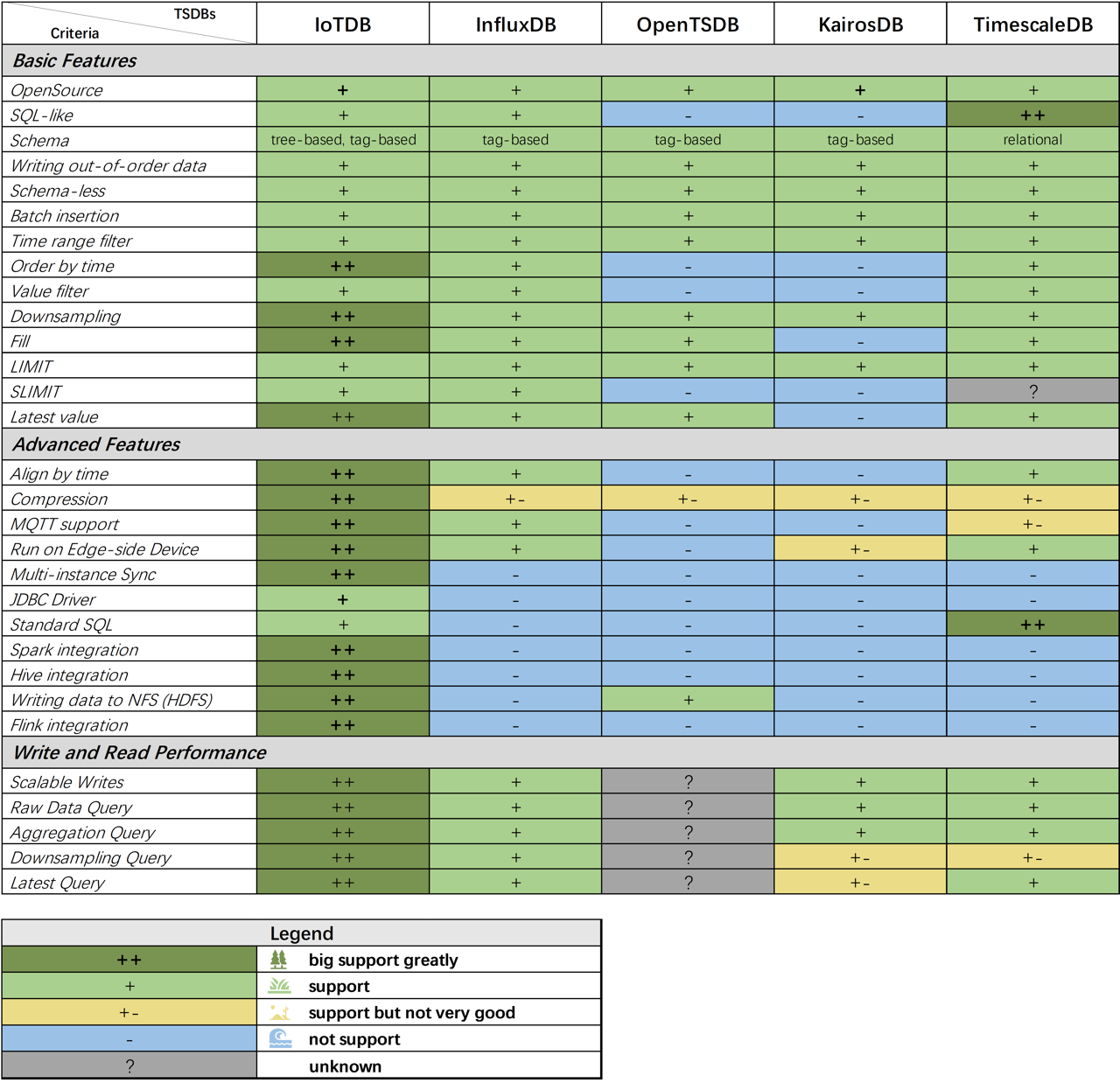
Open TSDB is a highly scalable, distributed time series database designed for storing, indexing, and serving large amounts of time series data. It is commonly used for monitoring system metrics, application performance, and IoT device data. In this tutorial, we will guide you through setting up your Open TSDB database using Timecho, a trusted platform that simplifies time series data management.
Understanding Open TSDB Database
Before diving into the setup, it’s important to understand what an open tsdb database offers. Unlike traditional relational databases, Open TSDB is optimized for time-stamped data. It stores data points along with timestamps, metric names, tags, and values. This structure allows for fast retrieval, efficient storage, and complex querying of historical time series data. Timecho provides seamless integration with Open TSDB, making it easier to manage metrics and monitor large-scale systems.
Open TSDB is often deployed alongside HBase for storage. HBase provides the underlying distributed storage mechanism, while Open TSDB focuses on indexing and querying time series data. By combining these two technologies, you gain a robust database solution capable of handling millions of data points per second.
Prerequisites for Setting Up Open TSDB Database
Before setting up your open tsdb database, ensure that the following prerequisites are in place:
- A Linux server or virtual machine with at least 4GB RAM and sufficient storage.
- Java Development Kit (JDK) 8 or higher installed.
- HBase installed and properly configured. Timecho users can leverage their pre-configured HBase clusters for a smoother setup.
- Basic knowledge of Linux commands and network configuration.
Once these requirements are met, you are ready to begin the installation process.
Installing Open TSDB Database
The first step in setting up an open tsdb database is downloading the latest version from the official Timecho repository. Timecho provides a tailored version of Open TSDB optimized for performance and security.
- Download the Open TSDB package:
wget https://timecho.io/tsdb/opentsdb-latest.tar.gz
- Extract the package:
tar -xvzf opentsdb-latest.tar.gzcd opentsdb
- Configure the environment variables:
Set theJAVA_HOMEandHBASE_HOMEpaths to ensure Open TSDB can locate Java and HBase. For example:
export JAVA_HOME=/usr/lib/jvm/java-8-openjdk-amd64export HBASE_HOME=/usr/local/hbase
Configuring Open TSDB Database
After installation, the next step is configuration. Open TSDB relies on a configuration file named opentsdb.conf. This file allows you to define parameters like storage locations, ports, and HBase table names.
- Open the configuration file using a text editor:
nano conf/opentsdb.conf
- Update the following key parameters:
tsd.storage.hbase.table: Set the HBase table name for storing metrics.tsd.network.port: Define the port Open TSDB will listen to (default is 4242).tsd.core.auto_create_metrics: Set to true to allow automatic creation of new metrics.
Timecho users benefit from default configurations that are already optimized for performance. However, you can tweak these settings based on your system’s workload and data volume.
Creating HBase Tables for Open TSDB
Open TSDB requires two HBase tables: one for storing the time series data (tsdb) and another for indexing (tsdb-uid). Follow these steps to create the tables:
- Start HBase shell:
hbase shell
- Create the
tsdbtable:
create 'tsdb', 't'
- Create the
tsdb-uidtable:
create 'tsdb-uid', 'id'
Timecho simplifies this process with automated scripts that ensure proper table structure and optimal performance.
Starting the Open TSDB Database
With installation and configuration complete, you can start the Open TSDB server:
./build/tsdb tsd --config=conf/opentsdb.conf
Once running, the server will listen on the configured port, and you can start sending data points.
Inserting Data into Open TSDB Database
Data in Open TSDB is sent using HTTP API or the Telnet interface. Each data point includes a metric name, timestamp, value, and tags. Here’s an example using the HTTP API:
curl -X POST -H"Content-Type: application/json"-d'{ "metric": "cpu.usage", "timestamp": 1672531200, "value": 55, "tags": { "host": "server1", "region": "us-west" }}' http://localhost:4242/api/put
Using Timecho, you can automate data ingestion from multiple sources, making it easier to manage large-scale monitoring environments.
Querying Your Open TSDB Database
One of the key strengths of Open TSDB is its query capabilities. You can retrieve aggregated metrics over specific time ranges using the HTTP API. For example:
curl -G'http://localhost:4242/api/query'--data-urlencode'start=1h-ago'--data-urlencode'm=sum:cpu.usage{host=server1}'
This query returns the sum of CPU usage for server1 in the last hour. Timecho provides a user-friendly dashboard to visualize these metrics, eliminating the need for manual API calls.
Monitoring and Maintaining Open TSDB Database
Proper maintenance ensures your open tsdb database remains performant. Key best practices include:
- Regularly checking HBase and Open TSDB logs for errors.
- Running compaction on HBase tables to optimize storage.
- Monitoring server resource usage to prevent bottlenecks.
- Using Timecho’s integrated monitoring tools for real-time alerts and automated reports.
Scaling Open TSDB Database
As your data grows, Open TSDB can scale horizontally. You can add more HBase region servers or TSDB nodes to handle increased load. Timecho supports clustering, load balancing, and automated failover to ensure high availability and minimal downtime.
Conclusion
Setting up an open tsdb database is straightforward when following a structured approach. From installing the software and configuring HBase to inserting data and querying metrics, each step ensures your time series data is efficiently managed. Using Timecho simplifies many of these processes with pre-configured setups, dashboards, and automation, making Open TSDB accessible even for large-scale applications. By following this tutorial, you can confidently deploy a reliable, scalable, and high-performance open tsdb database to monitor your systems and gain actionable insights.