
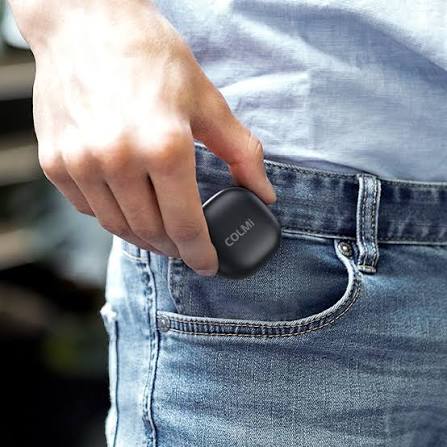
Technology has become an essential part of everyday life, influencing how people communicate, work, learn, exercise, and manage their daily routines. From smartphones and laptops to smartwatches, wireless earbuds, and smart rings, modern gadgets offer countless features designed to make life more convenient. However, with so many products available, choosing the right device can be challenging. Different brands offer similar features at varying prices, and every manufacturer claims that its products deliver excellent performance. This is where gadget and tech reviews become valuable.
Gadget and tech reviews help consumers understand product features, compare available options, evaluate performance, and make informed purchasing decisions. Instead of relying entirely on advertisements or promotional descriptions, buyers can learn about real-world usability, advantages, limitations, and overall value. Whether someone is purchasing an everyday accessory or exploring wearable technology, reliable reviews can simplify the decision-making process.
Understanding the Importance of Gadget and Tech Reviews
Gadget and tech reviews provide detailed information about electronic products before consumers spend their money. They often explain how a device works, which features are useful, how it performs during everyday activities, and whether its price is reasonable.
Manufacturers generally highlight the strongest aspects of their products. While this information can be useful, it may not explain every limitation or practical concern. Independent reviews can provide a more balanced perspective by discussing both benefits and disadvantages.
Making Product Information Easier to Understand
Technology specifications sometimes contain complicated terminology that confuses inexperienced buyers. Terms such as processor speed, battery capacity, Bluetooth compatibility, display refresh rate, and sensor accuracy may be difficult to interpret without additional explanation.
A good review translates these specifications into practical information. For example, rather than simply stating that a device has a particular battery capacity, a reviewer might explain how frequently users may need to recharge it under different conditions.
This approach helps buyers understand whether a product suits their daily requirements. Someone who travels frequently may prioritize battery life, while another person might focus on portability, durability, or compatibility with existing devices.
Helping Buyers Avoid Unnecessary Purchases
A product can appear attractive in advertisements but fail to meet a buyer’s expectations. Some gadgets include advanced features that users rarely need, while others may lack essential functions.
Reading reviews before making a purchase helps consumers identify these differences. Buyers can determine whether a product offers practical benefits or simply includes features that increase its price.
This information is particularly valuable when shopping for electronics with numerous competing models. Instead of selecting the newest or most expensive device automatically, consumers can choose one that provides the right combination of performance, usability, and affordability.
Comparing Products Before Making a Decision
One of the most useful benefits of technology reviews is the ability to compare different products. Two devices may appear similar but offer different levels of functionality, reliability, and convenience.
A detailed comparison helps consumers understand these differences before choosing a particular model.
Evaluating Features and Specifications
Every gadget serves a specific purpose, and its features should support that purpose. For instance, people purchasing wireless headphones might compare sound quality, microphone performance, connectivity, comfort, and battery life.
Similarly, someone shopping for a smart ring might investigate activity tracking, heart rate monitoring, sleep insights, water resistance, charging requirements, and smartphone compatibility.
Reviews organize these details into a more understandable format, making it easier to identify which features matter most.
Not every buyer needs every available function. A person interested primarily in everyday wellness tracking may have different priorities from someone who wants advanced sports analytics. Understanding these distinctions prevents consumers from paying extra for capabilities they are unlikely to use.
Understanding Price and Overall Value
Price is an important factor in almost every purchasing decision. However, the cheapest product is not necessarily the best value, and a premium price does not guarantee superior performance.
Reviews help consumers evaluate whether a device offers enough useful features to justify its cost. They may also discuss additional expenses, including replacement accessories, subscriptions, charging equipment, or maintenance.
For example, a moderately priced gadget might offer all the essential features needed for everyday use, while a more expensive alternative may include specialized functions that appeal to a smaller audience.
By examining these differences, shoppers can establish realistic expectations and choose products that fit their budgets.
How Reviews Help You Explore Wearable Technology
Wearable technology has expanded considerably, introducing devices that can monitor activity, provide notifications, and help users understand certain aspects of their daily routines. Smartwatches, fitness trackers, and smart rings are popular examples.
Although these devices may offer overlapping features, their designs and everyday experiences can differ significantly.
Understanding the Benefits of Smart Rings
Smart rings are compact wearable devices designed to provide selected digital functions through a small ring-shaped form. Depending on the model, they may include sensors for heart rate monitoring, activity tracking, sleep analysis, or other wellness-related measurements.
Their compact design appeals to people who prefer a wearable accessory without the larger display of a smartwatch. However, their small size can also involve trade-offs, including limited on-device interaction and fewer visible controls.
Technology reviews help prospective buyers understand these advantages and limitations. They can explain which features are available, how the accompanying application presents information, and what users should consider before selecting a particular model.
Reviewers may also discuss ring sizing, charging convenience, comfort, sensor consistency, and compatibility with different smartphones. These practical considerations can influence the overall experience just as much as the advertised specifications.
Researching the Colmi R10 Smart Ring UK
Consumers researching wearable technology may encounter the Colmi R10 smart ring UK while comparing smart rings available to buyers in the United Kingdom. Product reviews can help shoppers investigate the device’s listed specifications, available tracking functions, design, compatibility, and price.
Before purchasing, buyers should check the exact model information provided by the seller. Product names, regional listings, included accessories, warranty arrangements, and availability can vary between retailers.
It is also useful to distinguish between manufacturer claims and independently tested results. A listing may advertise particular monitoring capabilities, but a trustworthy review should explain how those functions work in practice and identify any limitations that have been observed.
Potential buyers should check whether the ring supports their smartphone, whether its companion application is compatible with their operating system, and whether any features require additional payments.
For UK shoppers, delivery costs, return policies, warranty coverage, and seller reputation also deserve attention. These factors can affect the overall value of a purchase, even when two products have similar specifications.
Finding a Budget Smart Ring With Heart Rate Tracking
People searching for a budget smart ring with heart rate tracking often want an affordable way to explore wearable technology without purchasing an expensive smartwatch or premium wellness device.
Reviews can help identify products that offer essential functions at reasonable prices. They may compare supported measurements, application usability, battery performance, comfort, and the clarity of the information provided to users.
However, affordability should not be the only consideration. Consumers should investigate whether the ring measures heart rate continuously or periodically, whether readings can be viewed in the accompanying application, and whether the manufacturer explains the limitations of its sensors.
Heart rate readings from consumer wearables are estimates and may differ from measurements taken using professional medical equipment. Factors such as movement, fit, skin contact, and device design can influence results.
A smart ring should therefore be considered a wellness accessory rather than a substitute for professional medical assessment. Reading balanced reviews allows consumers to understand what the device can reasonably offer before making a purchase.
Identifying Product Quality and Reliability
A gadget’s quality involves more than its appearance or advertised capabilities. Durability, software stability, construction materials, and long-term reliability can all affect the user experience.
Technology reviews can help buyers evaluate these factors by presenting observations from product testing, ownership experiences, and comparisons with similar devices.
Assessing Build Quality and Durability
Products used every day should be designed to withstand ordinary handling and environmental conditions. Buyers may want to know whether a device feels sturdy, whether its buttons work consistently, and whether its materials are suitable for regular use.
For wearable devices, comfort and fit are especially important. A ring that feels uncomfortable during everyday activities may be less practical, even if it offers several attractive features.
Reviews may also discuss water resistance, scratch resistance, and manufacturer care instructions. Consumers should verify the official specifications rather than assuming that every product can be worn while swimming, showering, or participating in sports.
These details help buyers select products that fit their intended activities and usage habits.
Examining Software and Compatibility
Modern gadgets often depend on applications, firmware, or connections with other devices. A product may offer impressive hardware but provide a disappointing experience if its software is difficult to use.
Reviews can reveal whether an application is easy to navigate, whether information is presented clearly, and whether users have reported connectivity problems.
Compatibility is another important consideration. Before purchasing a wearable, consumers should confirm the supported operating systems and check whether all advertised functions are available on their particular smartphone.
Software updates and customer support also matter. A manufacturer that provides clear documentation and regular maintenance may offer a more reassuring ownership experience than one with limited support information.
Recognizing the Difference Between Reliable and Unreliable Reviews
Not every online review provides accurate or impartial information. Some reviews are based on limited testing, while others are written primarily to promote a product or generate sales.
Learning how to assess review quality is therefore an essential part of researching technology.
Looking for Evidence and Practical Testing
Reliable reviews explain how conclusions were reached. Instead of describing a gadget as excellent without explanation, a useful review identifies the features tested and discusses the results.
For example, a battery review is more informative when it explains the conditions under which the device was used. Similarly, a discussion of heart rate tracking should clarify whether the reviewer compared readings during different activities or simply repeated the manufacturer’s claims.
Specific examples help readers understand the context behind a recommendation.
Buyers should also remember that a single review cannot establish how every unit will perform. Different usage habits, environments, and individual experiences may produce different results.
Checking Multiple Sources
Reading several reviews provides a broader understanding of a product. One reviewer might focus on design, another on performance, and another on customer support.
Comparing these perspectives can help consumers identify recurring strengths and weaknesses. If multiple independent reviewers report similar limitations, those observations may deserve closer attention.
Retailer reviews can also be useful, particularly when they describe long-term ownership. However, shoppers should look for detailed, relevant experiences rather than relying entirely on star ratings.
A combination of professional reviews, customer feedback, official specifications, and warranty information usually provides a stronger foundation for decision-making.
Identifying Sponsored Content
Some technology websites and creators receive free products, sponsorship payments, or affiliate commissions. These arrangements do not automatically make a review unreliable, but transparency is important.
Readers should check whether a reviewer discloses commercial relationships and whether the content includes meaningful discussion of disadvantages.
A review that acknowledges limitations and explains who might benefit from a product is generally more useful than one that makes broad promises without supporting evidence.
Consumers should remain cautious of exaggerated claims, guaranteed results, and language suggesting that a gadget is perfect for everyone.
Using Technology Reviews to Save Money
Researching products before buying them can help shoppers manage their budgets more effectively. Instead of making an impulsive purchase, consumers can compare prices, investigate alternatives, and decide which features justify additional spending.
Avoiding Features You Do Not Need
Many modern devices include advanced capabilities designed for specific audiences. Professional creators may need powerful computers, while casual users might only require a device for browsing, communication, and everyday productivity.
Reviews help buyers separate essential features from optional extras.
For example, someone purchasing a fitness wearable may value basic activity tracking and understandable wellness summaries more than advanced features designed for competitive athletes.
Choosing a device that matches actual requirements can reduce unnecessary spending without sacrificing important functionality.
Considering Long-Term Ownership Costs
The initial purchase price represents only part of a gadget’s total cost. Replacement accessories, charging equipment, application subscriptions, repairs, and battery degradation may influence long-term value.
Reviews can highlight these considerations and help buyers compare ownership costs across different products.
Consumers should also investigate warranty terms and return policies before purchasing. A slightly more expensive product from a reputable seller may offer greater peace of mind if it includes better support or clearer consumer protections.
By considering both immediate expenses and longer-term requirements, shoppers can make more practical purchasing decisions.
Creating a Simple Product Research Checklist
A structured approach makes technology research easier and more consistent. Rather than reading reviews without a clear objective, consumers can begin by identifying their needs and comparing products against specific criteria.
Step One: Define Your Requirements
Start by deciding what the gadget needs to accomplish. Consider how frequently it will be used, which features are essential, and which limitations would be unacceptable.
A clear list of priorities prevents attractive advertisements from distracting you from your actual requirements.
Step Two: Compare Suitable Options
Identify several products within your budget and compare their specifications, features, compatibility, and expected usability.
Look for independent reviews that examine the aspects most relevant to your intended use.
Step Three: Investigate Common Complaints
Pay attention to recurring concerns about performance, durability, software, battery life, or customer support.
A single negative comment may reflect an unusual experience, but repeated reports of the same issue deserve consideration.
Step Four: Verify the Seller and Warranty
Confirm that the seller provides accurate product information, understandable return conditions, and appropriate warranty details.
For online purchases, review the final price, shipping charges, and regional availability before completing the order.
Step Five: Make a Balanced Decision
Finally, compare the benefits, limitations, price, and expected ownership experience of each option.
The best product is not necessarily the one with the highest rating. It is the one that most closely matches your needs, expectations, and budget.
The Future of Gadget and Tech Reviews
As technology continues to develop, product reviews will remain important for helping consumers understand new devices and emerging features.
Artificial intelligence, connected home systems, wearable sensors, and portable computing devices are introducing increasingly complex choices. Consumers need clear explanations that translate technical capabilities into practical benefits.
Video demonstrations, comparison tools, hands-on testing, and long-term ownership reports can make product research more informative. These formats allow shoppers to explore different aspects of a device before deciding whether it is worth purchasing.
At the same time, reviewers must communicate limitations responsibly. Technology evolves quickly, and performance can change following software updates or changes in application support. Transparent testing methods and updated information can help maintain trust.
Consumers also have a role to play. By checking multiple sources, questioning unsupported claims, and verifying important specifications, they can make better use of the information available online.
Conclusion
Gadget and tech reviews are valuable resources for anyone who wants to choose the right products with confidence. They explain technical specifications, compare competing devices, reveal practical limitations, and help consumers determine whether a gadget offers good value for money.
Whether researching smartphones, computers, fitness trackers, or the Colmi R10 smart ring UK, buyers can benefit from understanding how a product performs beyond its promotional description. Reviews are particularly helpful when evaluating a budget smart ring with heart rate tracking, where sensor capabilities, comfort, compatibility, and application features all influence the overall experience.
The key is to approach product research carefully. Read multiple independent reviews, compare specifications, investigate potential drawbacks, and confirm warranty and seller details before purchasing.
Ultimately, informed decisions begin with asking the right questions. By using gadget and tech reviews as part of a thoughtful research process, consumers can find products that meet their everyday needs, fit their budgets, and provide a more satisfying long-term experience.