
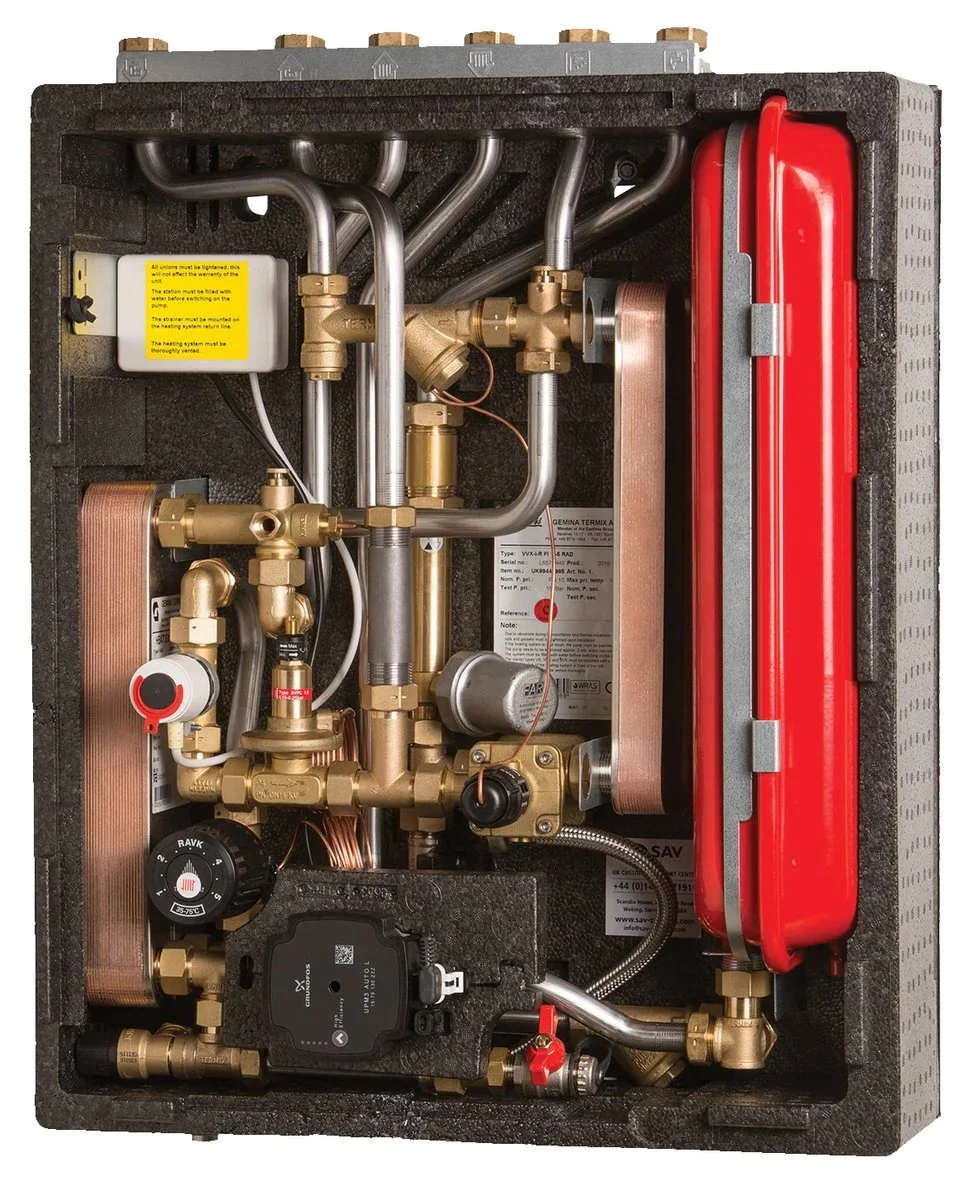
Consistent hot water is an important part of comfortable residential living, particularly in properties that depend on a communal or district heating system. When the water temperature changes unexpectedly, residents may experience cold showers, inefficient heating, or difficulty getting reliable hot water when needed. In many properties, the Heat Interface Unit (HIU) plays a central role in transferring heat from a central network into individual homes. Keeping this equipment operating correctly is therefore essential.
Professional HIU repair London services can help identify and resolve faults that affect water temperature. From checking heat exchangers and valves to inspecting sensors and controls, qualified engineers can address problems before they become more disruptive. Understanding how HIU repairs support temperature stability can help property owners, landlords, and residents make informed decisions about maintenance.
Understanding the Role of an HIU
An HIU is designed to transfer thermal energy from a central heating network into a property’s domestic heating and hot water systems. Instead of every individual home requiring its own traditional boiler, the HIU provides a controlled connection between the communal heat source and the property.
How Temperature Is Controlled
The HIU regulates heat transfer according to demand. When a resident opens a hot water tap, the system responds by transferring heat through components such as a heat exchanger. Sensors and control valves help regulate the process so that the water reaches an appropriate temperature.
If one of these components develops a fault, the temperature may become inconsistent. Water could be too cold, excessively hot, or fluctuate between temperatures. Professional inspection can determine which part of the system is responsible.
Why Stable Water Temperature Matters
Stable hot water is more than a convenience. It contributes to everyday comfort and allows residents to use showers, sinks, and other facilities without repeated temperature adjustments.
For property managers, inconsistent water temperature can also lead to complaints and additional maintenance requests. Addressing the underlying HIU problem can therefore support smoother property operations.
Common HIU Problems That Affect Water Temperature
Several issues can interfere with the ability of an HIU to provide consistent hot water. Recognising common symptoms can help property owners arrange appropriate assistance.
Faulty Temperature Sensors
Temperature sensors provide information that allows the HIU controls to respond to changing demand. If a sensor becomes damaged, dirty, incorrectly positioned, or inaccurate, the system may receive incorrect temperature readings.
This can result in poor regulation. An engineer carrying out HIU repair London work can inspect sensors and associated wiring to determine whether they are contributing to temperature fluctuations.
Problems With Control Valves
Control valves regulate the flow of heating water through the HIU. If a valve becomes stuck, partially blocked, worn, or unable to respond correctly to control signals, heat transfer can become inconsistent.
A professional engineer can inspect valve operation and determine whether cleaning, adjustment, repair, or replacement is appropriate.
Heat Exchanger Issues
The heat exchanger is one of the most important components within an HIU because it transfers heat between circuits without directly mixing the fluids.
Over time, deposits or scale can affect heat transfer efficiency. Reduced performance may cause hot water to take longer to reach the desired temperature or result in inconsistent output. An appropriate repair and maintenance process can help identify these problems.
How Professional HIU Repair Supports Consistent Temperature
Professional repair involves more than replacing an obviously damaged component. A systematic assessment can help identify the actual cause of temperature instability.
Detailed System Inspection
An engineer can inspect the HIU and assess relevant components, connections, controls, and operating conditions. This approach helps distinguish between a component failure and a wider system issue.
Checking the system systematically can prevent unnecessary replacement of parts that are still functioning correctly.
Testing Temperature Performance
Temperature readings can provide useful information about how an HIU is operating. Engineers may compare incoming and outgoing temperatures and assess whether the unit is responding appropriately to demand.
These checks can help identify problems involving heat transfer, flow rates, sensors, or controls.
Restoring Correct Component Operation
Once a fault is identified, the appropriate repair can be carried out. Depending on the problem, this could involve adjusting controls, replacing a faulty sensor, servicing a valve, addressing blockages, or repairing another affected component.
The objective is to restore the HIU to reliable operation rather than simply addressing the most visible symptom.
Preventing Recurring Temperature Problems
Repair can resolve an existing fault, but ongoing attention is also important for maintaining performance over time.
Regular Maintenance Checks
Scheduled maintenance can help identify wear, deposits, unusual readings, and component deterioration before they cause major temperature problems.
Property managers can work with qualified professionals to establish an inspection schedule that reflects the type, age, and usage of the HIU system.
Monitoring Changes in Performance
Small changes can provide early indications of developing problems. For example, hot water may begin taking longer to reach the expected temperature, or residents may notice that temperature varies more frequently.
Responding to these symptoms early can reduce the likelihood of a minor fault becoming a larger operational problem.
Keeping Accurate Service Records
Maintaining records of inspections, repairs, replaced components, and recurring faults can help engineers understand the history of an HIU.
This information can make future troubleshooting more efficient and help property managers identify patterns that might otherwise be overlooked.
Why Professional Expertise Matters
HIUs contain multiple components that work together to regulate heat transfer and domestic hot water. Attempting to diagnose technical problems without appropriate knowledge can make troubleshooting more difficult and may create additional risks.
Correct Fault Identification
Professional engineers can use appropriate diagnostic methods to determine why water temperature is unstable. Instead of assuming that the problem comes from a single component, they can assess the wider system.
This can lead to more targeted repairs and reduce unnecessary work.
Appropriate Replacement Parts
When a component needs replacing, selecting a compatible part is important. The replacement must work correctly with the particular HIU model and system configuration.
Professional HIU repair London providers can assess the equipment and recommend suitable solutions based on the condition of the system.
Safe and Efficient Repairs
HIU systems involve heating and water circuits, electrical controls, valves, and other technical components. Professional servicing helps ensure that repair work is performed using suitable procedures and equipment.
Benefits for Landlords and Property Managers
Temperature consistency is particularly important in multi-residential properties. A single communal heating network may serve numerous apartments, making reliable individual HIU performance an important part of property management.
Effective repair services can help reduce recurring resident complaints, improve system reliability, and support predictable maintenance planning.
Supporting Resident Comfort
Residents expect hot water to be available when they need it. Addressing temperature problems promptly can help maintain everyday comfort and reduce frustration.
Reducing Unexpected Disruptions
Ignoring an unstable HIU can allow a minor fault to develop into a more significant problem. Timely professional attention may help reduce unexpected service interruptions.
Improving Maintenance Planning
A clear record of HIU repairs and inspections gives property managers useful information for future planning. It can help them identify frequently affected components and determine when additional maintenance may be appropriate.
Signs That an HIU May Need Repair
Several warning signs can indicate that an HIU requires professional attention. These include fluctuating hot water temperatures, water that remains cooler than expected, unusually long waiting times for hot water, unusual noises, error messages, or repeated resident complaints.
Any recurring temperature problem should be investigated rather than repeatedly managed as a temporary inconvenience. Professional diagnosis can establish whether the issue is related to the HIU itself or another part of the heating and hot water system.
Conclusion
Maintaining a consistent water temperature depends on the reliable operation of several HIU components, including sensors, control valves, heat exchangers, and associated controls. When one of these parts develops a fault, the result can be fluctuating temperatures, reduced hot water performance, and resident dissatisfaction.
Professional HIU repair London services can help identify the source of these problems and restore the appropriate operation of affected components. Regular inspections, accurate diagnosis, timely repairs, and ongoing maintenance can all contribute to more dependable hot water performance.
For landlords, property managers, and residents, paying attention to early warning signs and arranging professional assistance when problems appear can support a more reliable heating and hot water system. A properly maintained HIU can play an important role in delivering comfortable and consistent water temperature throughout the property.