
Introduction
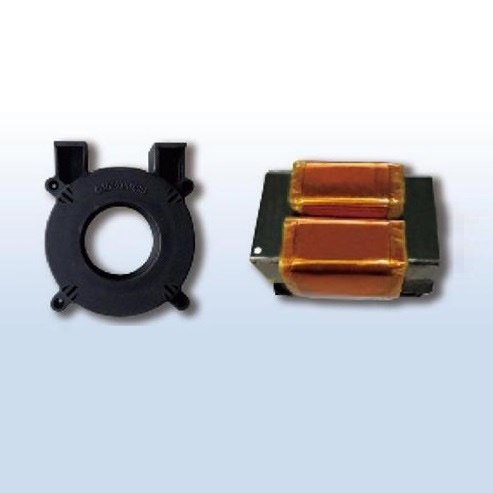
The rapid growth of renewable energy systems has transformed how electricity is generated, stored, and distributed across the globe. Solar panels, wind turbines, and energy storage systems rely heavily on efficient power conversion technologies to deliver stable and usable electricity. At the heart of these systems lies the inverter, a critical component that converts direct current (DC) into alternating current (AC). One often overlooked yet essential element inside these inverters is the low-loss high-frequency transformer core for inverter.
The performance, efficiency, and reliability of renewable energy systems are significantly influenced by the quality of the transformer core used within inverters. As energy demands increase and sustainability becomes more important, selecting the right core material and design has become a key factor in optimizing system performance.
Understanding High-Frequency Transformer Cores in Inverters
In renewable energy systems, inverters operate at high switching frequencies to improve efficiency and reduce the size of components. This is where the low-loss high-frequency transformer core for inverter plays a crucial role. Unlike traditional transformer cores designed for low-frequency applications, high-frequency cores are specifically engineered to handle rapid switching with minimal energy loss.
These cores are typically made from advanced materials such as ferrites, amorphous alloys, or nanocrystalline metals. Their unique magnetic properties allow them to function efficiently at frequencies ranging from tens of kilohertz to several megahertz. This enables compact designs and improved energy conversion efficiency, both of which are essential in modern renewable energy systems.
Importance of Low-Loss Characteristics
One of the primary reasons why a low-loss high-frequency transformer core for inverter matters is its ability to minimize energy dissipation. In power conversion systems, losses occur mainly due to hysteresis and eddy currents within the core material. When these losses are high, they result in heat generation, reduced efficiency, and potential system failure over time.
Low-loss cores significantly reduce these unwanted effects. By minimizing hysteresis loss and limiting eddy current formation, they ensure that more energy is transferred efficiently from the input to the output. This is especially critical in renewable energy applications where maximizing energy output is a top priority.
Additionally, reduced losses lead to lower operating temperatures. This not only improves system reliability but also extends the lifespan of inverter components, reducing maintenance costs and downtime.
Enhancing Energy Efficiency in Renewable Systems
Efficiency is one of the most important factors in renewable energy systems. Every percentage point of energy saved can have a significant impact on overall system performance and return on investment. The low-loss high-frequency transformer core for inverter directly contributes to higher efficiency levels.
In solar power systems, for example, energy generated by photovoltaic panels must pass through inverters before being used or stored. Any losses in the conversion process reduce the usable energy output. By incorporating a high-quality low-loss core, these losses can be minimized, ensuring that more energy reaches the end user.
Similarly, in wind energy systems, where power generation can be inconsistent, efficient energy conversion becomes even more important. A reliable transformer core helps maintain stable output and improves the overall performance of the system.
Compact Design and Space Optimization
Another significant advantage of using a low-loss high-frequency transformer core for inverter is the ability to design more compact and lightweight systems. High-frequency operation allows transformers to use smaller cores and fewer windings compared to traditional low-frequency designs.
This reduction in size and weight is particularly beneficial in renewable energy applications where space is often limited. For instance, rooftop solar installations require compact inverters that can be easily integrated into residential or commercial setups. Smaller components also make transportation and installation more convenient.
Moreover, compact designs contribute to lower material costs and improved system aesthetics, making renewable energy solutions more appealing to a wider audience.
Thermal Management and Reliability
Thermal management is a critical aspect of inverter design. Excessive heat can degrade components, reduce efficiency, and lead to system failures. The low-loss high-frequency transformer core for inverter plays a vital role in controlling heat generation.
Since low-loss cores produce less heat during operation, they reduce the need for complex cooling systems. This not only simplifies the design but also enhances reliability. Systems that operate at lower temperatures are less prone to failure and can perform consistently over longer periods.
Improved thermal performance also allows inverters to operate in harsh environmental conditions, such as high temperatures or dusty outdoor settings, which are common in renewable energy installations.
Supporting High-Frequency Switching Technologies
Modern inverters rely on advanced semiconductor technologies such as silicon carbide (SiC) and gallium nitride (GaN) devices. These components enable high-frequency switching, which improves efficiency and reduces system size. However, to fully utilize these technologies, the transformer core must be capable of handling high frequencies effectively.
The low-loss high-frequency transformer core for inverter is specifically designed to complement these advanced switching devices. Its ability to maintain low losses at high frequencies ensures that the benefits of SiC and GaN technologies are fully realized.
This synergy between semiconductor devices and transformer cores is essential for developing next-generation renewable energy systems that are both efficient and compact.
Environmental and Economic Benefits
The use of a low-loss high-frequency transformer core for inverter also has significant environmental and economic advantages. By improving energy efficiency, these cores help reduce overall energy consumption and minimize carbon emissions.
In large-scale renewable energy projects, even small efficiency improvements can lead to substantial energy savings over time. This not only lowers operational costs but also enhances the sustainability of the system.
From an economic perspective, higher efficiency translates into better returns on investment. Reduced energy losses mean more electricity can be sold or used, increasing profitability for system operators. Additionally, lower maintenance and longer component lifespan further contribute to cost savings.
Applications in Renewable Energy Systems
The importance of a low-loss high-frequency transformer core for inverter extends across various renewable energy applications. In solar power systems, it ensures efficient DC-to-AC conversion and stable grid integration. In wind energy systems, it supports variable power generation and improves output consistency.
Energy storage systems also benefit from these advanced cores. As batteries become increasingly important for balancing supply and demand, efficient power conversion becomes critical. High-frequency transformer cores help optimize charging and discharging processes, improving overall system performance.
Furthermore, electric vehicle charging stations and microgrid systems rely on efficient inverters, making these cores an essential component in the broader renewable energy ecosystem.
Future Trends and Innovations
As renewable energy technologies continue to evolve, the demand for more efficient and compact components will only increase. Research and development in magnetic materials are leading to the creation of even more advanced low-loss cores with improved performance characteristics.
Innovations such as nanocrystalline materials and hybrid core designs are pushing the boundaries of what is possible. These developments are expected to further enhance the efficiency and reliability of inverters, making renewable energy systems more competitive with traditional power sources.
The integration of smart technologies and digital monitoring systems will also play a role in optimizing the performance of transformer cores, enabling real-time adjustments and predictive maintenance.
Conclusion
The low-loss high-frequency transformer core for inverter is a fundamental component that significantly impacts the efficiency, reliability, and performance of renewable energy systems. From reducing energy losses and improving thermal management to enabling compact designs and supporting advanced technologies, its importance cannot be overstated.
As the world continues to transition toward sustainable energy solutions, the role of efficient power conversion components will become increasingly critical. Investing in high-quality transformer cores is not just a technical decision but a strategic one that can determine the success of renewable energy projects.
By understanding and prioritizing the use of low-loss high-frequency transformer cores, manufacturers and system designers can build more efficient, durable, and environmentally friendly energy systems that meet the demands of the future.