
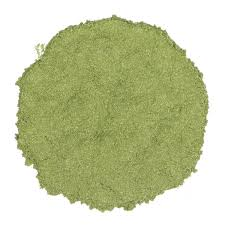
Epimedium Leaf Powder is a botanical ingredient made by carefully drying and grinding the leaves of plants belonging to the Epimedium genus. Often associated with traditional herbal practices, Epimedium has attracted interest from manufacturers, researchers, and Epimedium Leaf Powder consumers looking for plant-based ingredients. Its natural composition and versatility make it a notable botanical powder for different formulation and research applications.
As interest in herbal ingredients continues to grow, understanding the characteristics, processing methods, quality standards, and sourcing considerations of Epimedium Leaf Powder can help businesses and consumers make more informed choices. This article explores the ingredient in detail while highlighting important considerations for selecting a reliable source.
What Is Epimedium Leaf Powder?
Epimedium Leaf Powder is produced from the leaves of Epimedium plants. These plants are perennial herbs traditionally found in parts of Asia and the Mediterranean region. Several Epimedium species are used in botanical preparations, and the exact chemical profile can vary depending on the species, growing conditions, harvesting period, and processing techniques.
The leaves are typically harvested when their natural compounds are well developed. After harvesting, they are cleaned, dried, and milled into a fine powder. The resulting material can be used as a botanical ingredient in various research, manufacturing, and formulation settings.
The powder’s appearance may range from green to greenish-brown, depending on the plant material and drying process. Its texture and aroma can also vary according to the production method and storage conditions.
Natural Compounds Found in Epimedium
One reason Epimedium has received attention is its naturally occurring phytochemical composition. Epimedium plants contain several types of plant compounds, including flavonoids and other phenolic constituents.
Icariin is one of the best-known compounds associated with Epimedium. Researchers have studied icariin and related flavonoids because of their biological properties. However, the concentration of these compounds is not necessarily identical in every batch of Epimedium Leaf Powder.
Species selection, geographical origin, harvesting time, drying temperature, and milling methods can all influence the final composition. For this reason, manufacturers that require consistent raw materials should pay close attention to botanical identification and laboratory testing.
How Epimedium Leaf Powder Is Produced
The quality of botanical powder begins with the raw plant material. A well-controlled production process generally includes several important stages.
First, suitable Epimedium leaves are harvested from identified plant sources. The raw material is then inspected to remove unwanted materials. Cleaning is important because soil, foreign particles, and other contaminants can affect the final product.
Next, the leaves are dried under controlled conditions. Excessive heat may affect sensitive plant compounds, while insufficient drying can create moisture-related storage problems. Once the leaves reach an appropriate moisture level, they can be milled into powder.
The powder may then be passed through a controlled screening process to achieve a consistent particle size. Finally, it should be packaged in suitable containers that protect the botanical ingredient from moisture, heat, light, and contamination.
Potential Applications of Epimedium Leaf Powder
Epimedium Leaf Powder can be used in different botanical and research-oriented applications. Its suitability depends on the specifications of the final product and the requirements of the manufacturer.
Herbal Formulations
Epimedium has a long history of use in traditional herbal preparations. Modern manufacturers may incorporate Epimedium-derived ingredients into botanical formulations where permitted by applicable regulations.
Botanical Research
Researchers interested in plant-based compounds may use Epimedium material to investigate its phytochemical characteristics. Powdered plant material provides a convenient format for laboratory analysis and extraction studies.
Ingredient Development
Manufacturers can use botanical powders as starting materials for developing specialized herbal ingredients. Depending on the intended application, the raw powder may be further processed or standardized.
Natural Product Manufacturing
The growing interest in plant-derived ingredients has created opportunities for botanical materials across different industries. Epimedium Leaf Powder can be considered as part of a broader range of plant-based raw materials used in natural product development.
Why Quality Control Matters
Botanical ingredients can naturally vary from one harvest to another. Therefore, quality control is especially important when purchasing Epimedium Leaf Powder for commercial or research use.
A reliable quality program may include botanical identification, moisture testing, microbiological analysis, and screening for unwanted contaminants. Depending on the intended application and local requirements, additional testing may be necessary.
Standardization can also be important when a manufacturer needs a particular level of a naturally occurring compound. Testing helps determine whether a batch meets the required specifications before it enters the production process.
Choosing a Reliable Epimedium Leaf Powder Supplier
Selecting the right supplier involves more than comparing prices. Businesses should consider several factors when evaluating botanical ingredient suppliers.
A supplier should be able to provide clear information about the botanical identity, source, processing method, and quality specifications of the material. Documentation such as a Certificate of Analysis can provide useful information about the tested characteristics of a particular batch.
Traceability is another important consideration. Suppliers with transparent sourcing and production practices can make it easier for manufacturers to understand where their raw materials originate.
Packaging and storage conditions should also be considered. Botanical powders should generally be protected from excessive moisture, heat, and contamination during transportation and storage.
Proper Storage of Epimedium Leaf Powder
Correct storage can help preserve the quality of botanical powders. Epimedium Leaf Powder should generally be kept in a cool, dry environment away from direct sunlight and excessive humidity.
Containers should remain tightly sealed when the material is not being used. Exposure to moisture can affect powder quality and may contribute to microbial problems if storage conditions are poor.
For commercial applications, following the supplier’s recommended storage instructions is important because packaging requirements may differ according to the production and formulation specifications.
Responsible Use and Regulatory Considerations
Although Epimedium is widely discussed as a traditional botanical ingredient, regulatory requirements can vary considerably between countries and product categories. An ingredient intended for research purposes may be subject to different requirements from one marketed as a food, cosmetic, or other consumer product.
Manufacturers should therefore verify applicable regulations before incorporating Epimedium Leaf Powder into a finished product. Product claims should also be supported appropriately and should comply with the laws governing the intended market.
It is also important not to assume that traditional use automatically establishes modern medical effectiveness. Scientific evidence can vary depending on the specific Epimedium species, extract, compound, and application being studied.
The Growing Interest in Botanical Ingredients
Consumer and industry interest in botanical materials continues to encourage the development of plant-based ingredients. Powdered herbs offer manufacturers a practical format because they can be stored, tested, processed, and incorporated into different development processes.
Epimedium Leaf Powder represents one example of a botanical raw material that combines traditional history with modern interest in phytochemical research. Its value as an ingredient depends heavily on botanical authenticity, production quality, testing, and appropriate application.
Conclusion
Epimedium Leaf Powder is a versatile botanical ingredient produced from the dried and finely milled leaves of Epimedium plants. Its naturally occurring flavonoids and other plant compounds have contributed to ongoing interest in this botanical material.
For businesses seeking Epimedium Leaf Powder, quality should remain a central consideration. Proper botanical identification, controlled processing, laboratory testing, traceability, suitable packaging, and responsible storage can all contribute to a dependable raw material.
As the botanical ingredient industry continues to develop, careful sourcing and transparent quality practices will remain essential. Whether used for botanical research, ingredient development, or permitted herbal formulations, high-quality Epimedium Leaf Powder can provide manufacturers with a consistent plant-based material when selected and handled according to appropriate standards.