
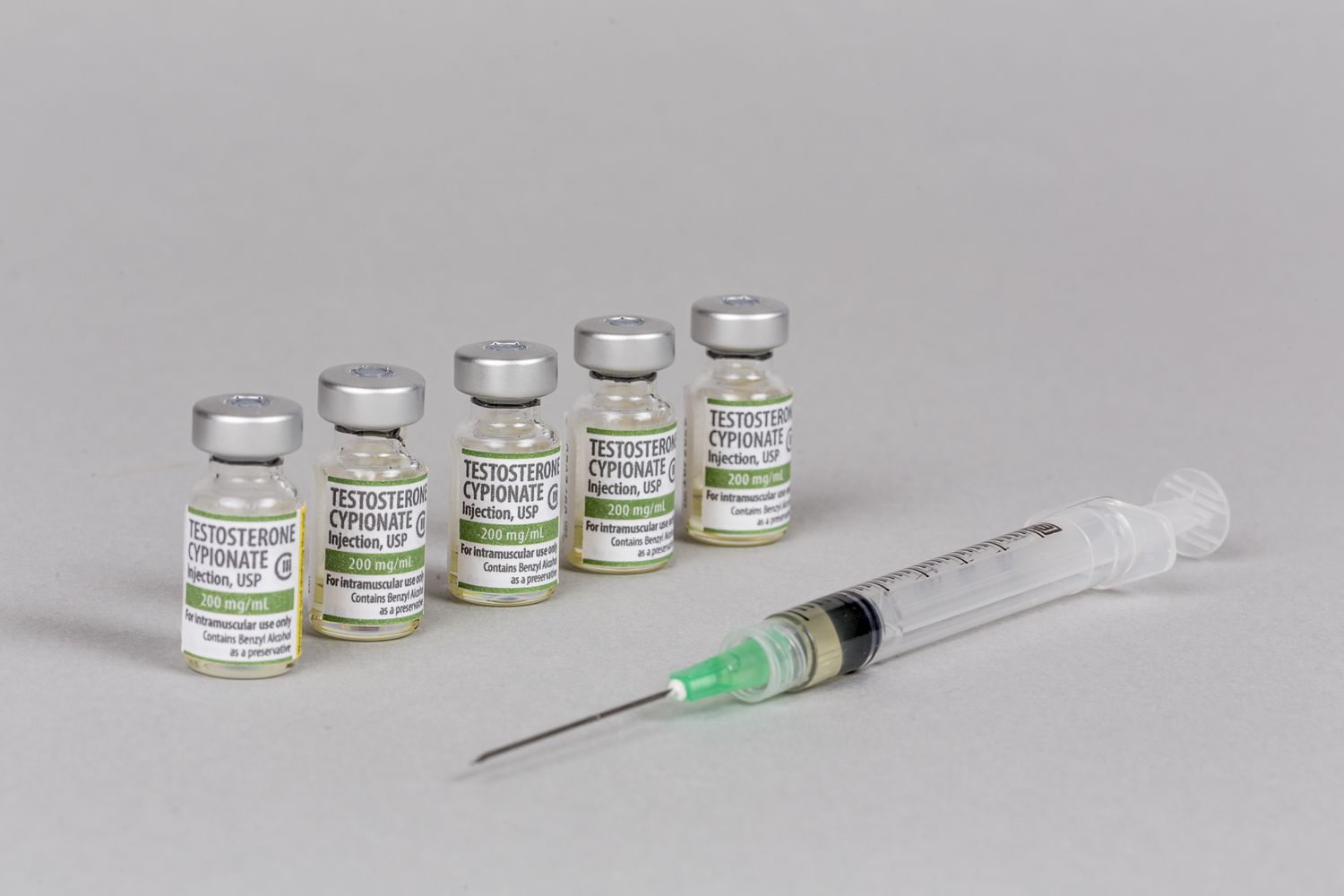
Testosterone cypionate is a prescription form of testosterone used in specific medical situations where the body does not produce enough of this hormone. Searches for testosterone cypionate UK often relate to questions about availability, medical uses, safety, and how testosterone replacement therapy is managed in the United Kingdom. Understanding these areas is important because testosterone is a powerful hormone, and treatment should be based on an appropriate medical assessment rather than general assumptions about low testosterone.
What Is Testosterone Cypionate?
Testosterone cypionate is a long-acting injectable ester of testosterone. After administration, the compound is gradually processed by the body, releasing testosterone into the bloodstream over time. Testosterone itself is an androgenic hormone involved in numerous biological processes, including the development and maintenance of muscle mass, bone strength, red blood cell production, sexual function, and other aspects of male reproductive health.
The cypionate form is designed to provide a sustained release compared with shorter-acting testosterone preparations. However, the exact duration and blood-level pattern can vary between individuals.
When people research testosterone cypionate UK, it is important to distinguish legitimate medical treatment from products sold through unregulated websites. Prescription medicines should be obtained through appropriate healthcare channels, where their quality, authenticity, and suitability can be assessed.
Common Medical Uses
Testosterone therapy may be considered when a person has clinically confirmed testosterone deficiency and symptoms that are consistent with the condition. Depending on the underlying cause, treatment may involve different testosterone formulations.
Common symptoms associated with testosterone deficiency can include reduced sexual desire, fatigue, reduced muscle mass, changes in mood, and difficulties with sexual function. These symptoms can also result from many other conditions, so they should not automatically be interpreted as evidence of low testosterone.
Before testosterone treatment is considered, clinicians generally assess symptoms alongside laboratory testing. Additional investigation may be needed to identify why testosterone levels are low.
Testosterone can also have an important role in certain gender-affirming hormone therapy programs. In those circumstances, treatment is individualized according to the person’s clinical goals, health circumstances, and monitoring requirements.
How Testosterone Cypionate Is Administered
Testosterone cypionate is administered by injection. The specific dose and frequency depend on the individual’s medical circumstances, laboratory results, treatment objectives, and response to therapy.
Because testosterone levels can fluctuate following an injection, healthcare professionals may consider the timing of blood tests when interpreting results. The aim is not simply to maximize testosterone levels but to achieve an appropriate therapeutic range while minimizing unwanted effects.
People should not change injection frequency or dosage independently. Increasing testosterone does not necessarily produce better health outcomes and can increase the likelihood of complications.
Potential Benefits of Appropriate Treatment
For someone with medically confirmed testosterone deficiency, appropriate testosterone replacement can help improve symptoms associated with the deficiency. Potential benefits may include improved sexual interest, better energy, preservation or improvement of muscle mass, and support for bone health.
The response differs considerably between individuals. Some people experience noticeable improvements, while others may require additional investigation because their symptoms have another underlying cause.
It is also important to understand that testosterone therapy is not a general-purpose treatment for normal aging. A person with naturally normal testosterone levels may not gain the same medical benefits as someone with genuine testosterone deficiency.
Possible Side Effects and Risks
Testosterone therapy can produce side effects, which is why medical supervision is important. Possible effects include acne, oily skin, changes in mood, increased red blood cell production, fluid retention, and changes in sexual or reproductive function.
Testosterone can suppress the body’s natural production of testosterone and sperm. This is particularly important for people who may want to preserve fertility.
Treatment may also influence prostate-related health measures and cardiovascular risk factors. The overall risk depends on the person’s age, medical history, formulation, dose, and other circumstances.
Anyone experiencing concerning symptoms while receiving testosterone should contact their healthcare professional rather than adjusting treatment without guidance.
Why Medical Monitoring Matters
Monitoring is a central part of responsible testosterone therapy. Depending on the treatment plan, clinicians may monitor testosterone levels, blood counts, and other relevant health markers. A medical history and physical assessment may also be necessary.
Monitoring helps determine whether treatment is producing the intended response and whether the dose or formulation needs adjustment. It can also identify adverse effects before they become more serious.
People researching testosterone cypionate UK should therefore focus not only on the medicine itself but also on the quality of the medical service providing diagnosis, prescribing, follow-up, and laboratory monitoring.
Testosterone Cypionate and Other Testosterone Forms
Testosterone is available in several pharmaceutical formulations, including injectable preparations, gels, and other delivery systems. These products differ in how testosterone enters the body, how frequently they are administered, and how blood levels may fluctuate.
Testosterone cypionate may be suitable in some circumstances, but it is not automatically the best option for everyone. A healthcare professional can compare available treatments according to medical needs, convenience, tolerability, and monitoring requirements.
The availability and prescribing status of specific testosterone products can also differ between countries. This is one reason information about testosterone cypionate UK should be considered in the context of UK prescribing and regulatory requirements rather than relying on information from another country.
Buying Testosterone Responsibly in the UK
Prescription testosterone should only be obtained through legitimate medical channels. Unregulated online sellers may offer products without requiring appropriate assessment, creating risks involving counterfeit medicines, incorrect concentrations, contamination, or inappropriate dosing.
A legitimate healthcare provider should be able to explain why testosterone is being considered, what testing is required, which formulation is appropriate, and how treatment will be monitored.
People should be particularly cautious about websites promising unusually rapid muscle growth, guaranteed hormonal results, or testosterone without any medical evaluation. Such claims do not represent responsible hormone treatment.
Who Should Consider Testosterone Therapy?
Testosterone therapy is generally considered for people with an appropriate clinical indication rather than simply for anyone interested in improving physical performance or appearance.
A healthcare professional can evaluate symptoms, laboratory findings, medical history, medications, reproductive goals, and potential contraindications. This assessment helps determine whether testosterone treatment is appropriate and whether another condition could be responsible for the symptoms.
Athletes and bodybuilders should also recognize that using testosterone for performance enhancement is different from medically supervised testosterone replacement. Non-medical use can involve substantially higher exposure and additional risks.
Making an Informed Decision
Anyone searching for testosterone cypionate UK should begin with reliable medical information and professional advice. Understanding what the medicine is, why it may be prescribed, how it is monitored, and what risks are associated with treatment is more important than simply finding a product.
Testosterone can be valuable when used appropriately for a confirmed medical need. However, it is not a harmless supplement, and unsupervised use can create significant health and reproductive consequences.
The safest approach is to seek assessment from a qualified healthcare professional, confirm whether testosterone deficiency or another condition is responsible for symptoms, and follow an individualized treatment and monitoring plan. This approach provides a better foundation for achieving potential benefits while reducing avoidable risks associated with inappropriate testosterone use.